This past week, two people left us, and neither would have wanted a list of accomplishments read over their memory. Here, instead, are two small portraits of who they were and how they loved.
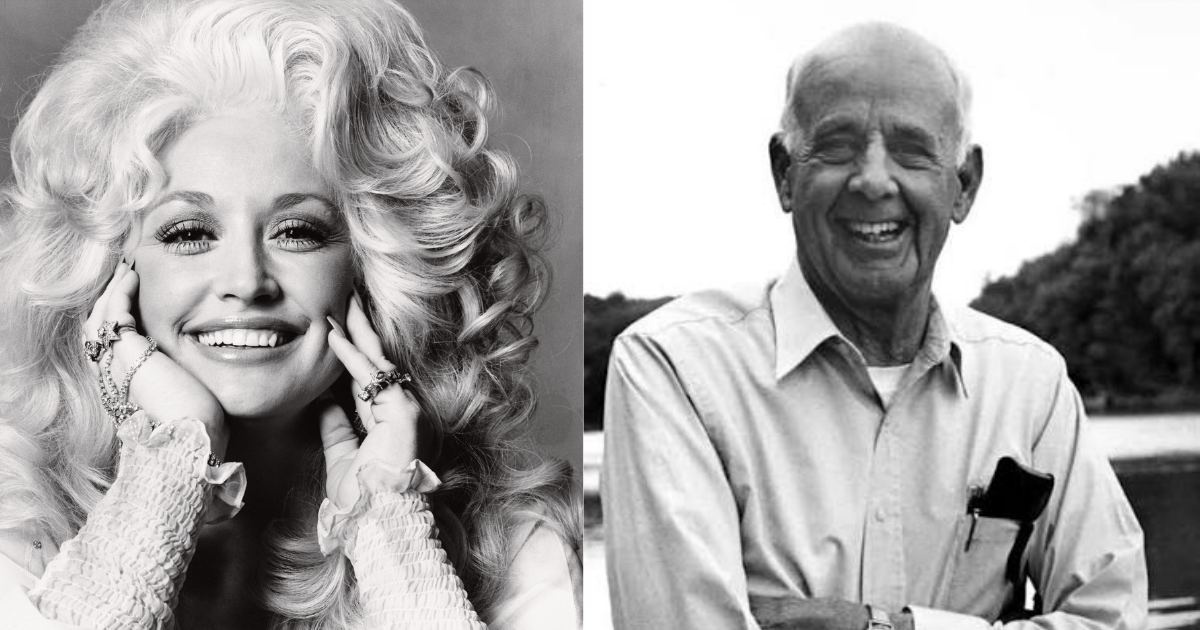
Picture a man in his nineties, walking a Kentucky hillside on a Sunday morning his own grandfather once walked. He could have been in a pew instead, and often was. But most Sundays for nearly fifty years, Wendell Berry walked his own fields as an act of attention, treating the ground the way you would sit with an old friend rather than hurry past. He wrote poems out of those walks that never sounded like arguments; he did not seem interested in winning anyone over. He simply loved one patch of Kentucky earth so faithfully, for so long, that his love became a kind of preaching all its own. One pastor said that whenever he read the word farm in Berry's writing, he read parish instead, and the sentence held up every time. Berry did not only write what he believed. More than once he put his own body on the line for causes nearest his heart, because love of neighbor and land were never ideas to admire from a porch, but relationships that required showing up. He died at home on his own land on August 31, the ground he had tended most of his life.
Picture a different kind of Sunday. A girl who grew up singing in her grandfather's small Pentecostal church became one of the most famous women alive and never stopped making a stranger feel like the only person in the room. Dolly Parton held strong convictions about nearly everything, yet she never seemed to need an enemy to prove them right. She could laugh at herself without turning anyone else into the punchline, and that generosity let people who agreed on almost nothing else love her anyway. Asked once how she practiced her faith, she brushed the verb aside: "I don't practice it. I live it." She turned an old story about a coat sewn from rags, the coat of many colors, into a way of telling every poor child that a hard beginning does not have to mean a small life. Because her own father never learned to read, she spent thirty years mailing children a free book every month, for no reason but that she remembered going without herself. Grief did not make her hard. When she lost her husband of fifty eight years, she let people see her cry, and kept singing to strangers like old friends, because that was who she was. She died in Nashville on August 25, in a home built far beyond the cabin where she started.
A poet farmer in Kentucky and a rhinestone singer in Tennessee do not look, at first glance, like they belong together. But look at the shape of their lives rather than their accomplishments, and the resemblance is unmistakable. Both simply treated whoever stood in front of them, land, neighbor, stranger, fan, the way they wanted to be treated themselves, exactly what Jesus asked: "Treat people in the same way that you want them to treat you" (Luke 6:31, CEB).
I do not think it is an accident that we lost them so close together, or that people from every corner of life felt it. So here is my invitation to you this September, wherever you call church home. Do not aim for a resume of good deeds, but a life like theirs: ordinary faithfulness practiced with the people in front of you. Write the note. Make the call. Welcome the newcomer at the door. Treat the person who disagrees with you the way you would want to be treated if the disagreement ran the other way. It is not complicated. It is, apparently, something a poet farmer and a country legend both knew by heart, and something Jesus asked of us long before either was born.
Grace and Peace,
Dr. Kaury